
Welcome, new readers of the American Geographical Society’s weekly, the AGS Globe! The Globe shares articles on geography and geospatial topics, along with exciting opportunities and news from our network. As the world revolves, geography evolves. The AGS Globe’s mission is to bring our storied legacy of exploration and thought leadership into the frontiers of the future.
Gary to Memphis: Mapping America’s Unequal Energy Geographies
By Mia Muñoz
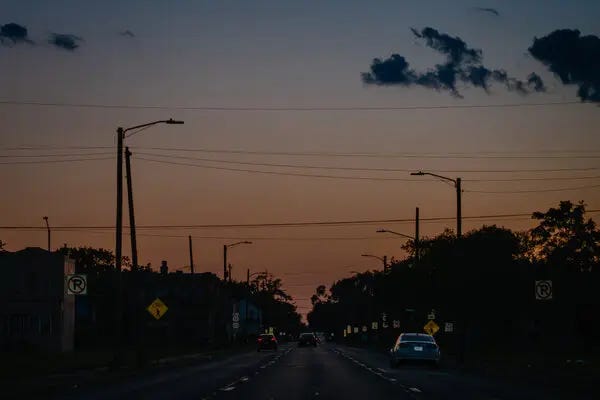
Where the Lights Went Out
When the power goes out in America, it does not go out equally. Unequal power outages and grid failures often reflect policy decisions and longstanding infrastructure disparities that disproportionately affect impoverished and underrepresented communities, particularly communities of color.
In Gary, Indiana, and Memphis, Tennessee, that reality became painfully clear this summer. Following severe storms in August 2026, thousands in Gary’s 76% Black community were left without electricity for nearly two weeks. In Memphis, where roughly 62% of the population is Black and many residents live below the poverty line, a severe storm left approximately 140,000 homes and businesses without power for several days to nearly a week as temperatures climbed above 90°F (32°C). In both cities, residents faced heat, food insecurity, and unsafe conditions as they waited for power to return.
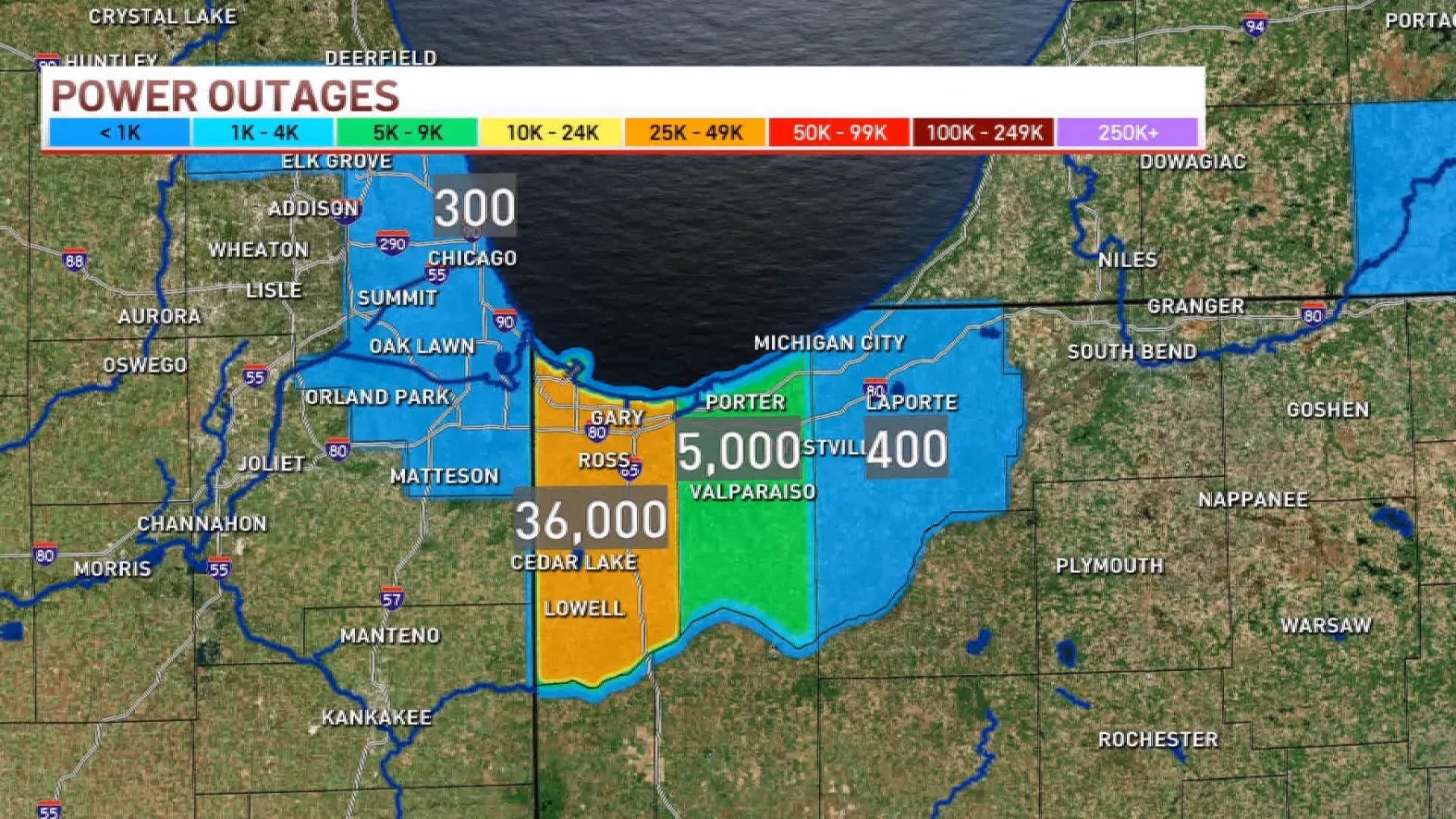
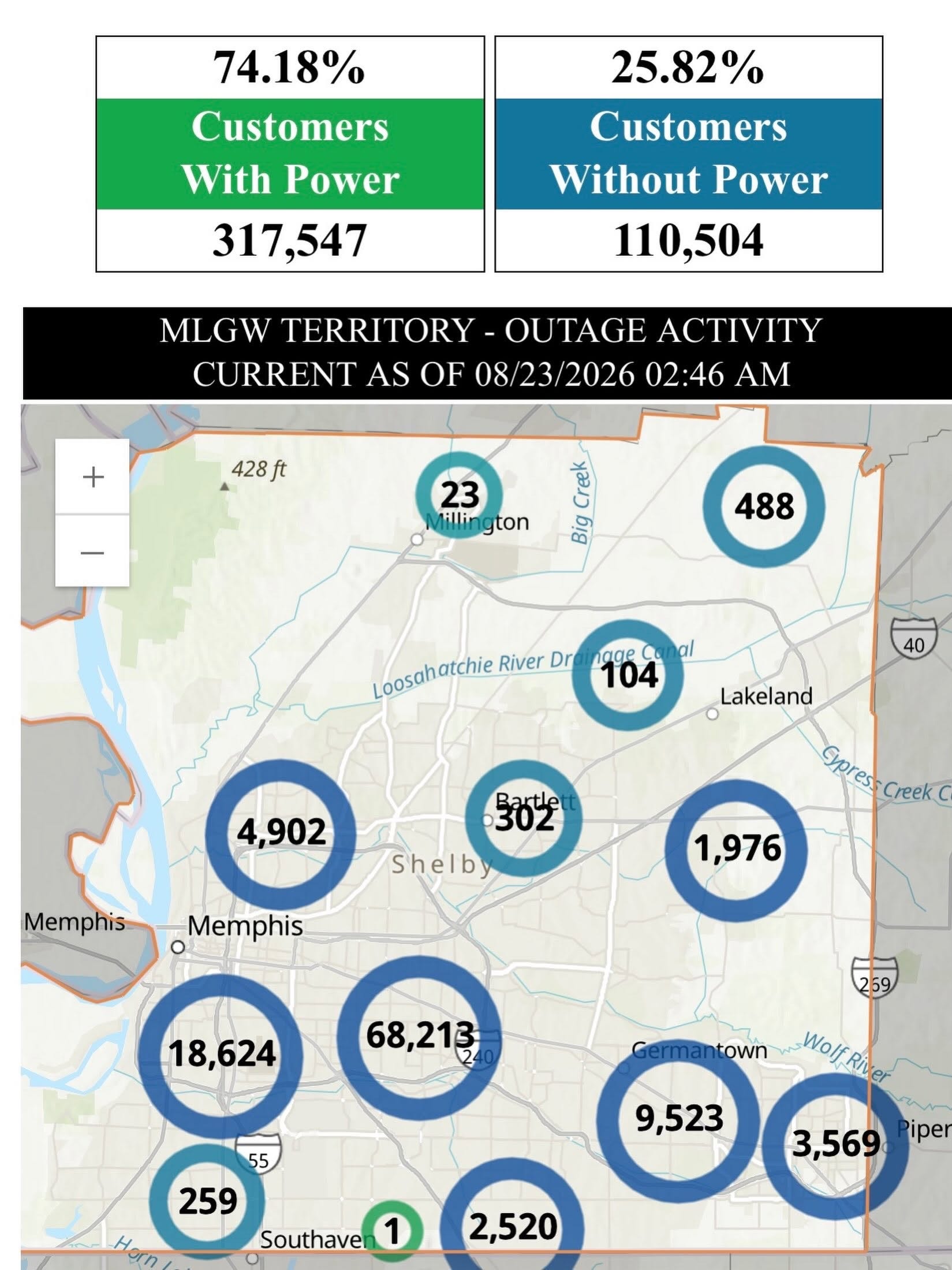
These prolonged outages were more than an inconvenience. They raised broader questions about who has access to reliable infrastructure, who bears the consequences when it fails, and how those disparities intersect with race, poverty, and investment.
Understanding Gary and Memphis Through Environmental Justice
To understand why these disparities matter, it is important to look at them through the lens of Environmental Justice (EJ).
Environmental Justice seeks to ensure that all people have equal protection from environmental hazards and an equal role in decisions affecting their communities. At its core, EJ asks an important geographic question: Who bears the environmental burden, who benefits from infrastructure and investment, and who gets a say in decisions that shape their communities?
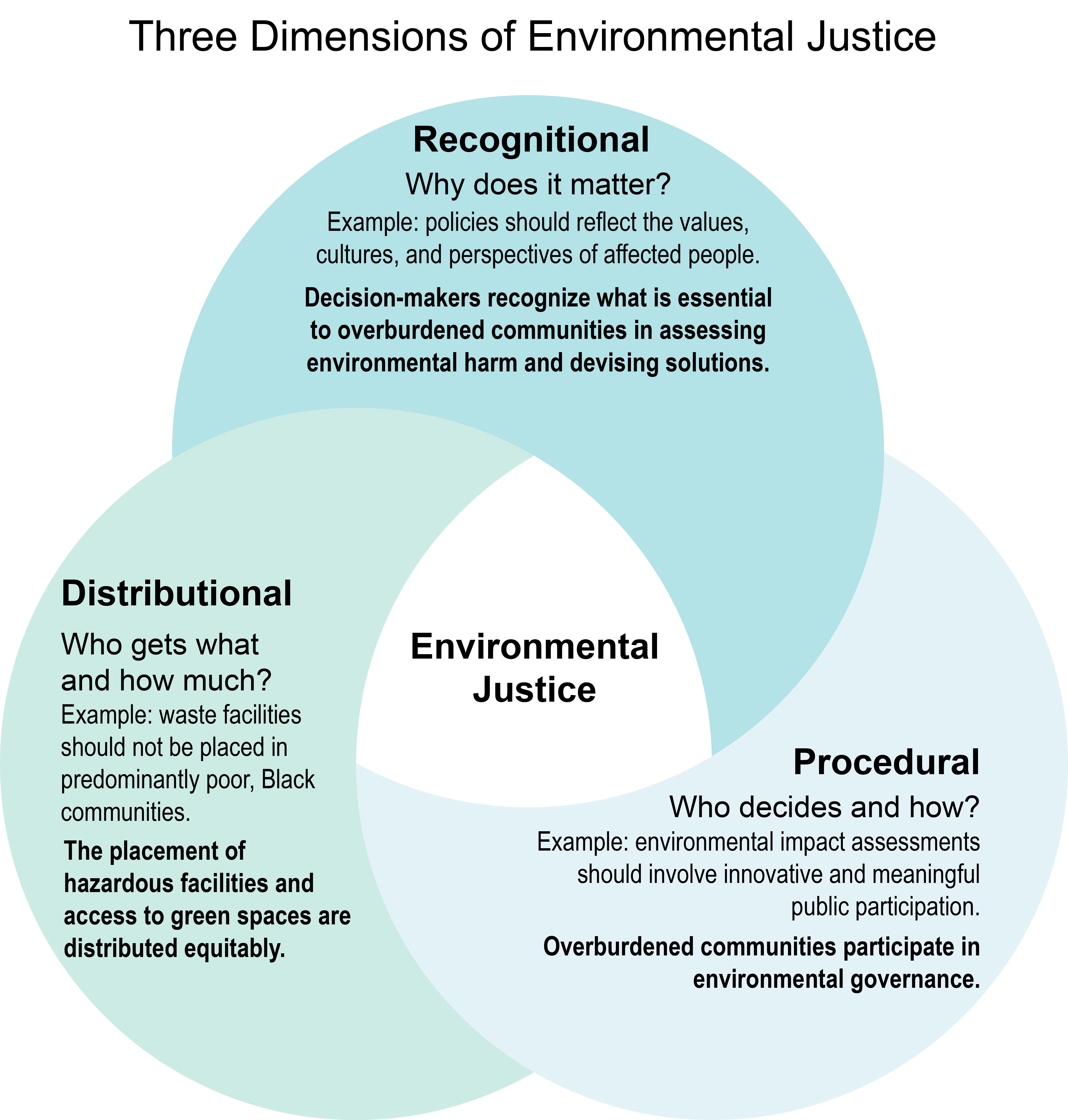
Robert Bullard, Founder of the Bullard Center, American Geographical Society Medalist, and “Father of Environmental Justice,” helped establish this framework. In 1979, he worked on the first lawsuit claiming environmental discrimination is a civil rights issue. Through his research, he found that Houston landfills and incinerators were overwhelmingly placed in predominantly Black neighborhoods as far back as the 1920s, even though Black residents made up only 22% of the population.
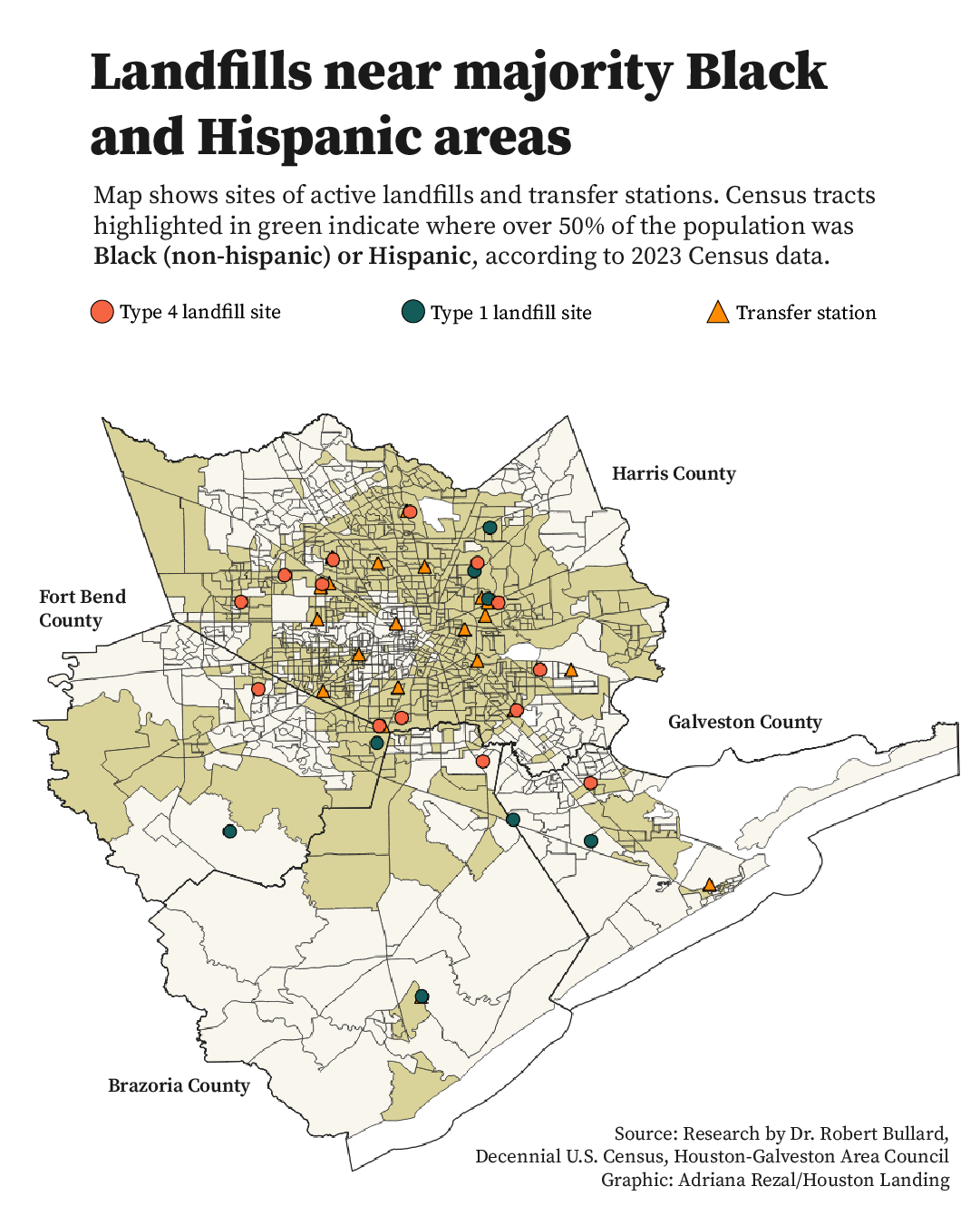
His research revealed how race influenced the placement of hazardous facilities and demonstrated that environmental injustice is deeply geographic. Where people live can affect their exposure to environmental hazards, access to resources, and ability to influence decisions about the infrastructure built around them.
That same geographic lens can be applied to energy infrastructure today. Poverty, aging infrastructure, and AI’s rising pressure on regional power systems can compound existing disparities in resources, opportunities, and decision-making power. Understanding these patterns helps explain why outages in communities like Gary and Memphis matter beyond the immediate loss of electricity.
When an Outage Becomes an Environmental Justice Issue
Environmental justice is not an abstract concept; it is a tangible lived experience for communities having to fight for clean water, clean air, or even a reliable power grid.
Black communities have faced higher chances of power outages and have often experienced longer durations. Minority-occupied areas are four times as likely to suffer a blackout compared to predominantly white areas. Black families have nearly two times higher odds of experiencing an outage lasting 24 consecutive hours than White households.
These statistics have tangible consequences: spoiled food, interruptions to medical devices, and long drives to find somewhere to charge a phone. Poorer regions are also less likely to have recommended supplies of food, drinking water, and medication for power outages. When outages stretch from days into weeks, discomfort can become danger.
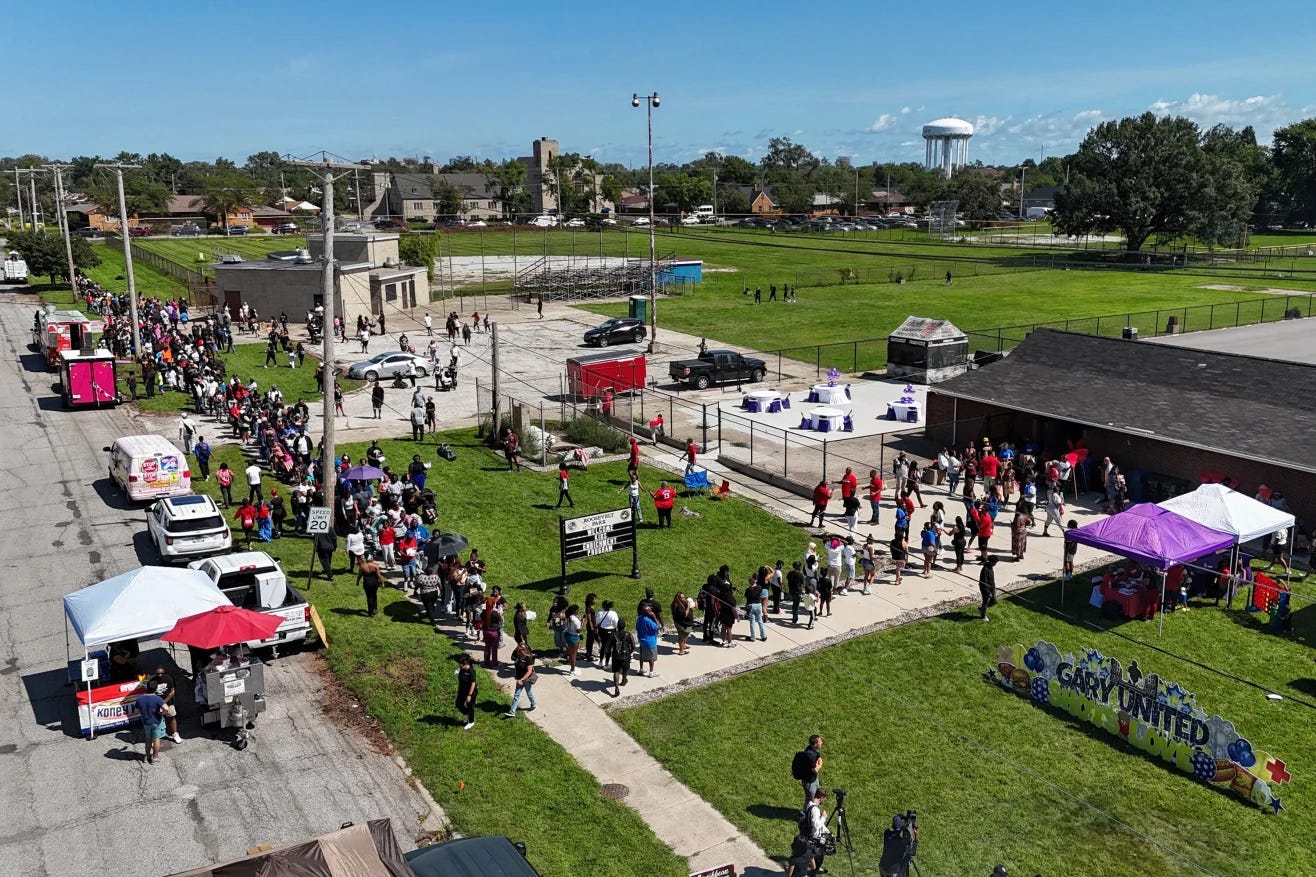
The experiences of communities in Gary and Memphis show that energy vulnerability is shaped by more than geography alone. Environmental injustice can also involve unequal access to healthcare, education, and protection from environmental hazards.
When a city like Gary or Memphis goes dark, it becomes impossible to ignore who is left without power, for how long, and why.
Big Tech & Energy in the Age of Data Centers
This environmental justice lens becomes increasingly important as the country enters an era of rapid data center and AI infrastructure expansion.
The central principle of EJ is that everyone, regardless of race, income, or geographical location, should have equal protection, an equitable share of environmental burdens, and a meaningful voice in decisions affecting their communities.
Data centers are not new, but they have become increasingly controversial due to the computing power, electricity, and water they use and the potential impacts on surrounding communities’ water, air quality, and energy systems.
The South is facing the largest impacts of AI data center construction, according to residents and multiple analyses. Geographic disparities arise when policymakers expect communities to carry the environmental burden of hosting certain infrastructure, jobs, and technologies. A MediaJustice review found more than $200 billion in planned data infrastructure across Southern states. The report found that these projects are often landing in communities long treated as sacrifice zones, where vulnerable residents already face increased health and economic harm.
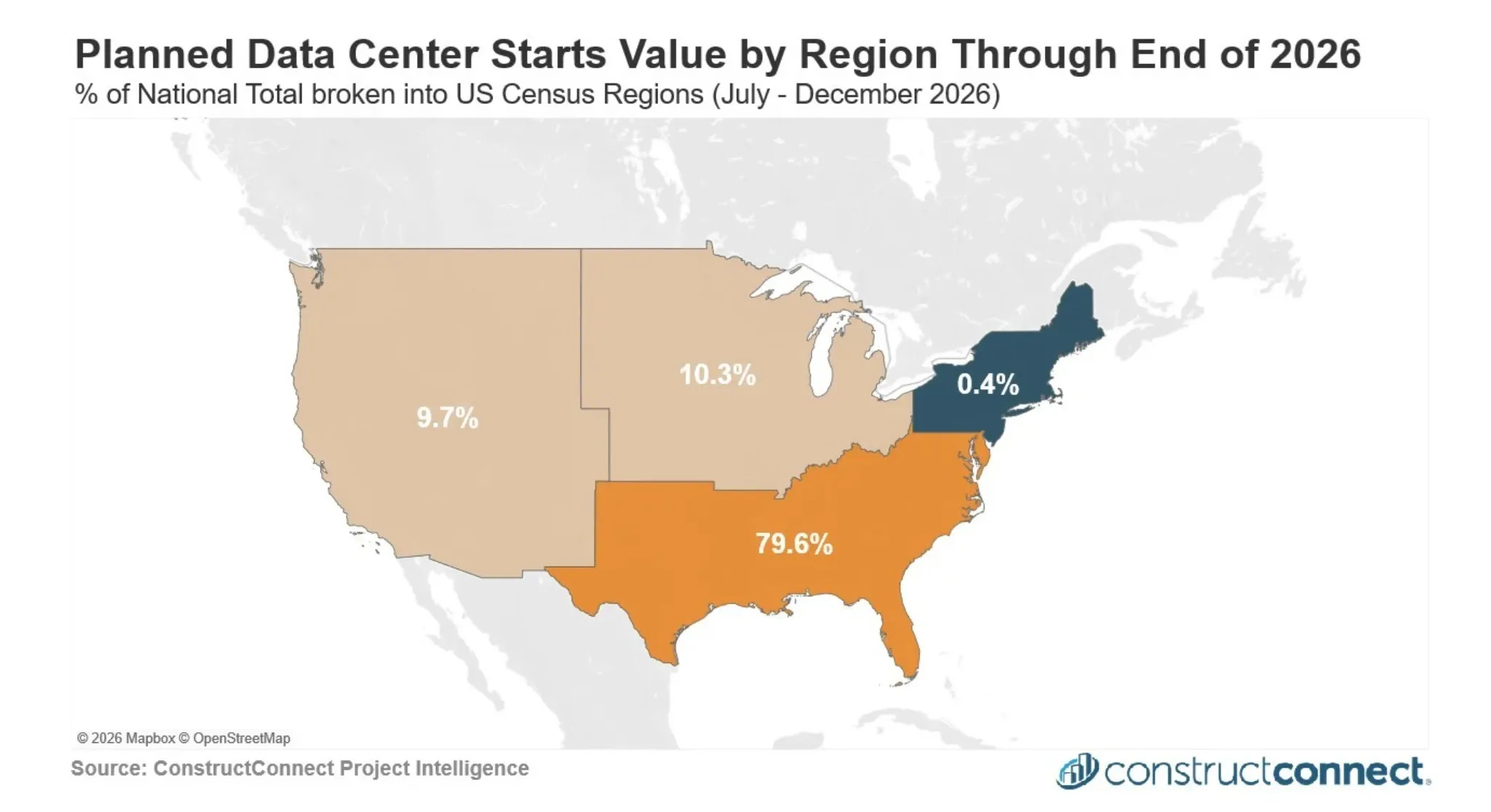
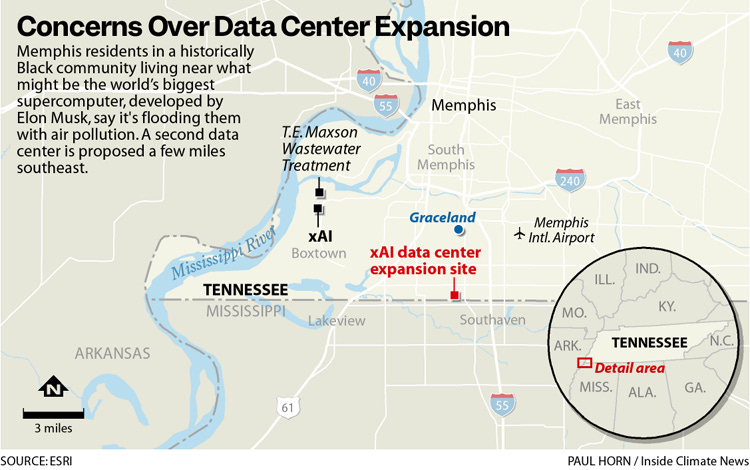
The construction of data centers in Black, Brown, and low-income neighborhoods can create significant social and environmental impacts. xAI has been on the minds of Memphis residents, as concerns about air quality have accompanied plans for additional data-center development. Black communities like Memphis may be attractive to big tech because of the promise of new jobs, limited political representation, or cheaper real estate.
Memphis, Gary, and the Geography of Energy
In the age of the data center boom, an environmental justice lens is necessary to understand the extended outages in Memphis and Gary.
Memphis is a majority-Black city where a quarter of its residents live below the poverty line, while data centers have accumulated wealth rapidly. Elon Musk’s xAI has established one of the country’s largest clusters of AI data-center infrastructure in Memphis. The facilities draw immense amounts of power from the same regional energy system that serves local residents, raising questions about how growing AI energy demands intersect with the reliability of local infrastructure.
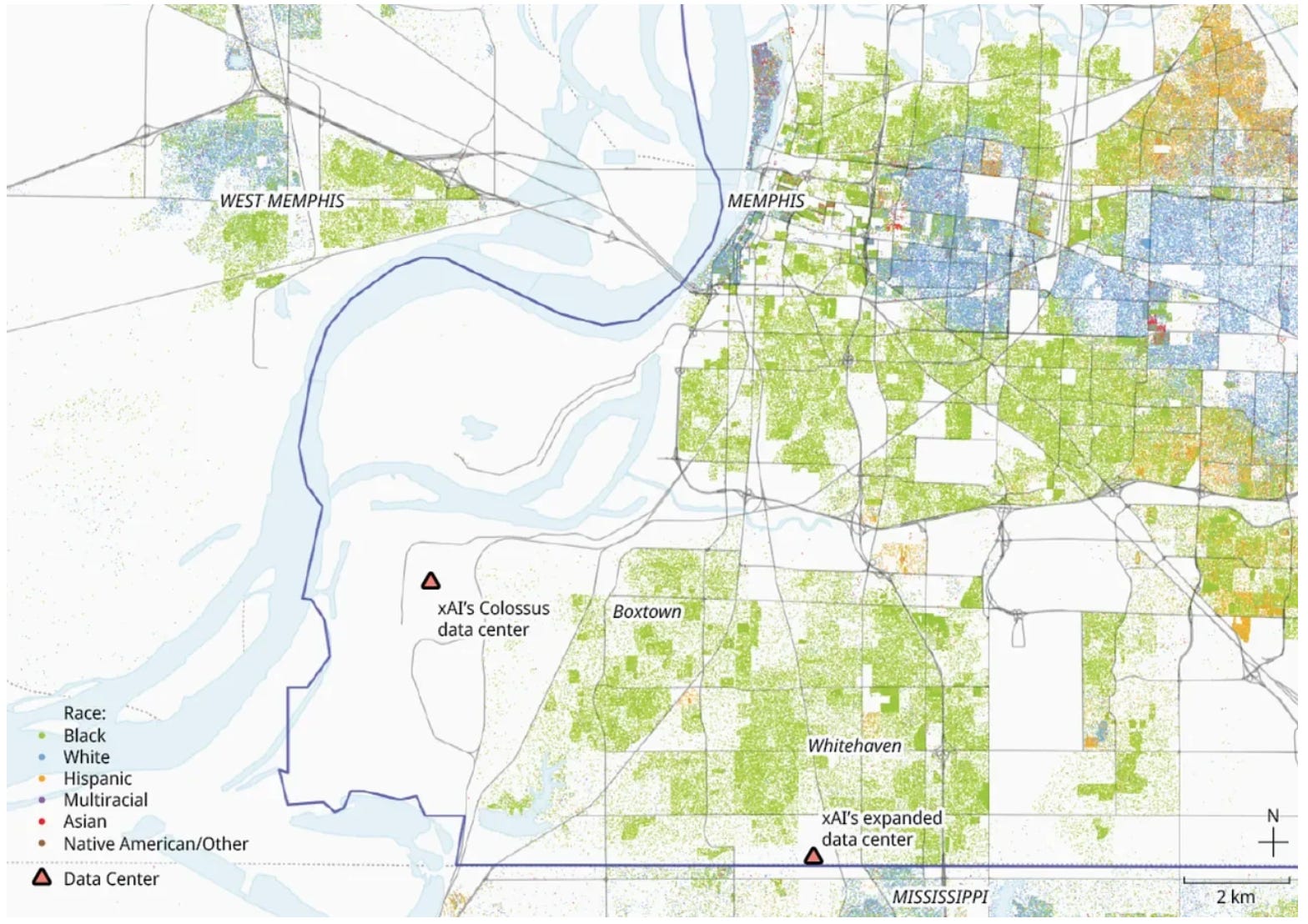
The Memphis blackouts therefore pointed to a broader, interconnected problem: how Black, Brown, low-income, and rural communities may bear the burdens of accelerating AI energy demands. They also remind us that infrastructure is not neutral; its distribution is shaped by political and economic priorities.
In Gary, the outage similarly exposed disparities in access to reliable infrastructure. When Black neighborhoods lose power more often and for longer while AI data centers continue operating, questions of equity become difficult to ignore.
Geography, Power, and the Path Forward
Chapter 1 of Confronting Environmental Racism: Voices from the Grassroots defines environmental racism as “any policy, practice, or directive that differentially affects or disadvantages individuals, groups, or communities based on race.”
Bullard’s work illuminates how the fight for clean air, safe energy, and climate resilience is inseparable from racial and economic justice.
Identifying vulnerable populations, like Gary or Memphis, and assessing their proximity to hazards will be critical to developing strategies for communities affected by power outages, grid failure, and other geographic disparities associated with data centers.
The outages may be over, but the questions they raised remain.
What happens when communities with aging infrastructure are asked to accommodate rapidly growing energy demands? Who bears the environmental burden of new infrastructure? Who benefits from the economic opportunities it creates? And, most importantly, who gets a meaningful say in decisions that reshape the places where they live?
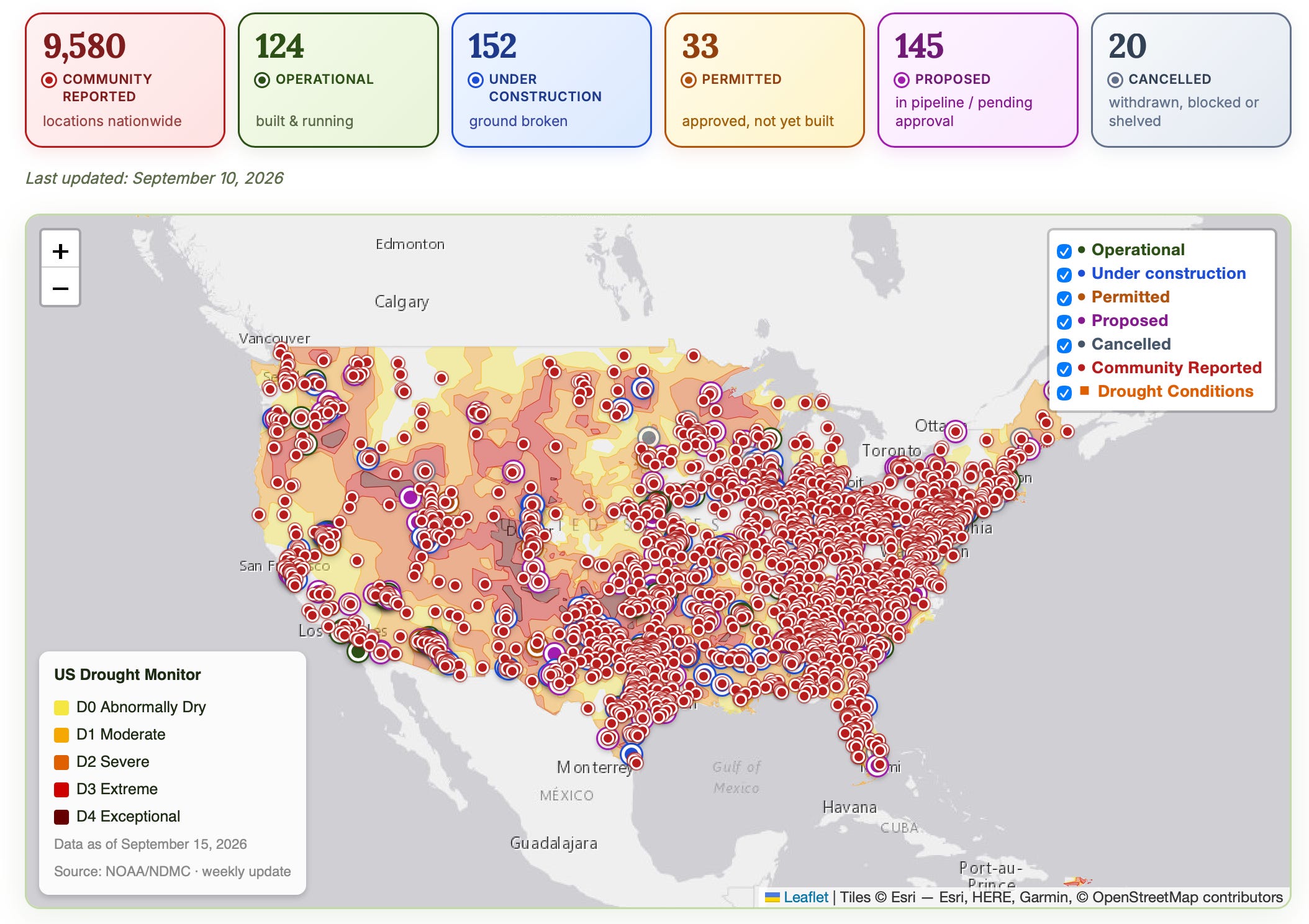
As the lights returned, the lesson remained: the future must be built for everyone, not just for those with power.
The path forward requires investment, accountability, and a commitment to ensuring that every community can survive the storms ahead with dignity and safety. We cannot ignore the historical disparities on which new AI infrastructure is being built, particularly as water and electrical systems strain existing inequities.
Communities across the U.S. deserve an equitable say in decisions about data centers, and an EJ lens is critical to understanding the country’s unequal energy geographies.
References
Baker, S. (2026). Thousands of Memphis residents await power restoration after massive storm. MSN News. https://www.msn.com/en-us/news/other/thousands-of-memphis-residents-await-power-restoration-after-massive-storm/ar-AA2be4Wk
Brockovich Data Center. (2026). Brockovich data center reporting: U.S. AI data center awareness & issue map. https://brockovichdatacenter.com
Bullard, R. D., & Chavis, B. (1993). Confronting environmental racism : voices from the grassroots (1st ed.). South End Press. http://www.gbv.de/dms/hbz/toc/ht005045091.pdf
Grantham-Philips, W. (2024, July 9). Thousands of Memphis residents await power restoration after massive storm. USA Today. https://www.msn.com/en-us/news/other/thousands-of-memphis-residents-await-power-restoration-after-massive-storm/ar-AA2be4Wk
Mahoney, A. (2026, April 15). Musk’s AI fuels pollution in Black Memphis neighborhoods. Capital B News. https://capitalbnews.org/elon-musk-xai-naacp-black-neighborhoods-pollution/
Mahoney, A. (2026, August 24). From Memphis to Gary, Black communities are being left in the dark. Capital B News. https://capitalbnews.org/memphis-gary-black-communities-power-outages/
Mahoney, A. (2026, August 29). Trump’s electricity policies could raise costs for Black families, experts warn. Capital B News. https://capitalbnews.org/trump-electricity-prices-black-families/2
Ogundu, J. (2025). Op-Ed: Data Centers Are Needed For AI, But Black Communities Could End Up Paying The Cost. Afrotech. https://afrotech.com/op-ed-data-centers-ai-black-communities-paying-the-cost
Rouhana, F., Zhu, J., Bagtzoglou, A. C., & Burton, C. G. (2025). Analyzing structural inequalities in natural hazard‑induced power outages: A spatial‑statistical approach. International Journal of Disaster Risk Reduction, 117, 105184. https://doi.org/10.1016/j.ijdrr.2025.105184
ScienceInsights. (2026, March 9). What is environmental justice and why it matters. ScienceInsights. https://scienceinsights.org/what-is-environmental-justice-and-why-it-matters/
Wilborn, Q. (2026, August 28). Memphis power nearly restored as fewer than 2,000 remain in the dark. Yahoo News / WREG. https://www.yahoo.com/news/weather-news/articles/memphis-power-nearly-restored-fewer-175803599.html
Did you enjoy reading this? Support the American Geographical Society today with a donation of $50 to help us support Geography education.

Members of the American Geographical Society enjoy reduced-price access to AGS events and free access to the online version of Geographical Review.


Submit Lightning Talk and Exhibition Poster Proposals Today! Speak at our annual fall symposium, Geography 2050: Africa Shaping Tomorrow, taking place this November 19-20, 2026, at the Schomburg Center for Research in Black Culture in New York City! By 2100, over one-third of the world’s population will live in Africa, already the world’s youngest and fastest-growing continent, with profound implications for the interconnected human and environmental dimensions of the transformative demographic and technological boom across Africa. Submit proposals to speak at Geography2050 here!
Our Geography 2050 Trip Planning Page is Up! You can view information about this year’s venue and our partner hotels with Special Symposium Rates. Early birds can register for the lowest ticket price and book their stay at Aloft Harlem or the Renaissance New York Harlem Hotel at this special rate TODAY by going to the Geography 2050 Trip Planning page.