
Welcome to new readers of the American Geographical Society’s weekly, the AGS Globe! The Globe shares articles on geography and geospatial topics, as well as exciting opportunities and news from our network. As the world revolves, geography evolves. The mission of the AGS Globe is to bring our storied legacy of exploration and thought leadership into the frontiers of the future.
Worldwide Degradation of Permafrost
Frozen ground, or permafrost, is thawing faster each summer almost everywhere it has been measured, according to the first global assessment of long-term monitoring data.
Cold regions of our planet are experiencing the highest rates of climate change, transforming natural landscapes. Permafrost degradation can amplify climate warming, threaten critical infrastructure, and increase geohazards in mountain regions. Monitoring these frozen landscapes has become essential for understanding climate change and minimizing the negative impacts of thawing ground.
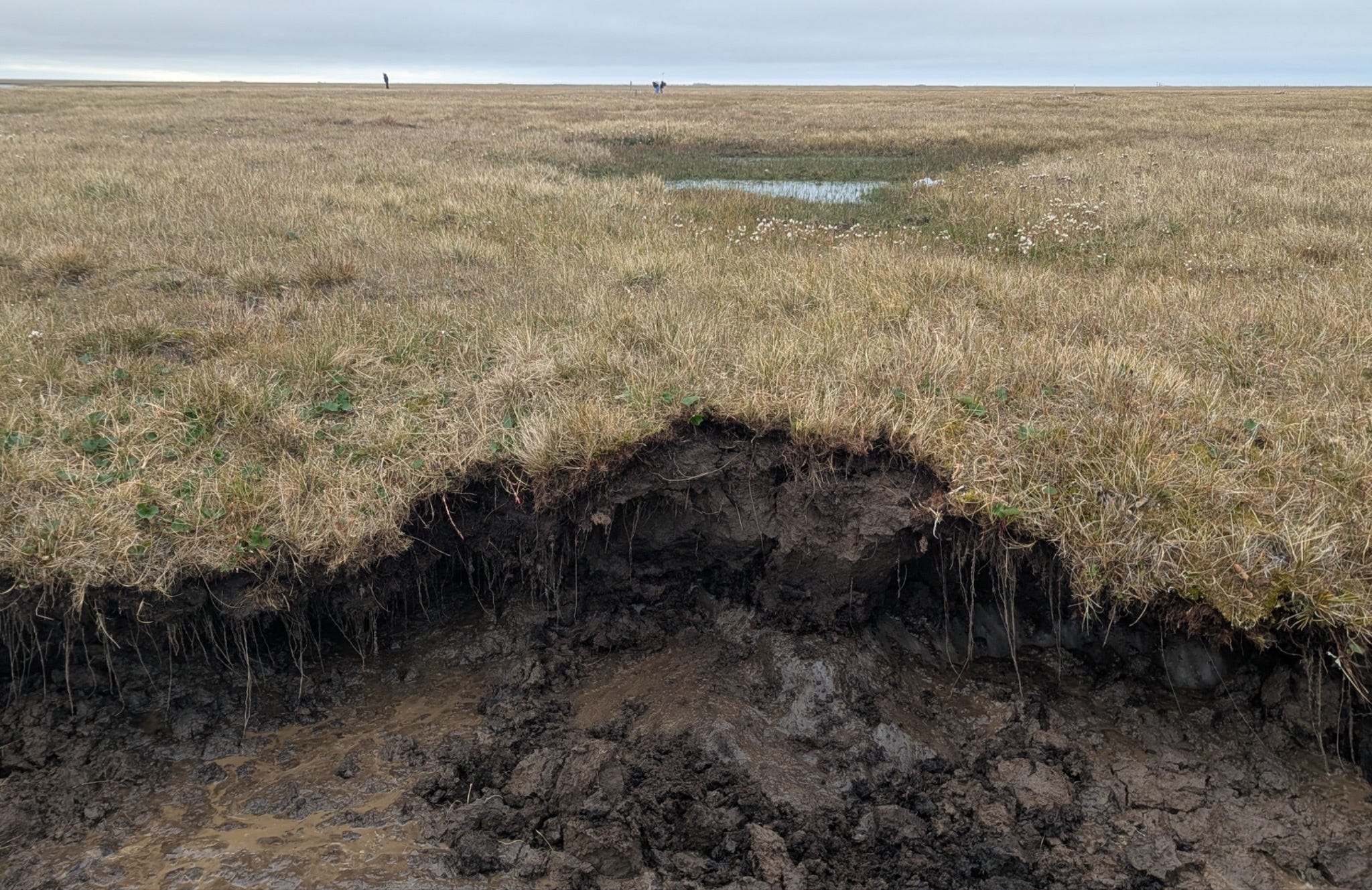
A Global Study Confirms a Worldwide Trend
An international study led by researchers at the George Washington University (GW) indicates clear global evidence that permafrost is thawing across much of the planet.
Utilizing more than two decades of field observations from 156 monitoring sites across the Arctic, Antarctic, and high-mountain regions, the study found increases in the thickness of the active layer, which is the uppermost layer above permafrost that thaws and refreezes each year, confirming that permafrost degradation has accelerated globally between 2000 and 2024.
Published in Nature Communications Earth & Environment, the study represents the first global assessment of long-term active layer monitoring data.
Dmitry Streletskiy, the study’s lead author and a professor of geography and international affairs at GW, coordinated global data collection from researchers and monitoring sites, which found significant increases in active layer thickness across most monitored regions.
"The significance of this study lies in the fact that we're not just looking at isolated hotspots anymore," said lead author Dmitry Streletskiy. "The collaborative efforts of the involved sites show a pattern that spans continents and climate zones, telling us that global permafrost degradation is already well underway."
Why Permafrost Matters
Permafrost is ground made up of soil, rock, and sediment bound together by ice that remains frozen for at least two consecutive years. It underlies nearly 15% of the Northern Hemisphere’s land surface and nearly all ice-free land in Antarctica.
As the active layer grows thicker, it signals that deeper layers of permanently frozen ground are beginning to thaw.
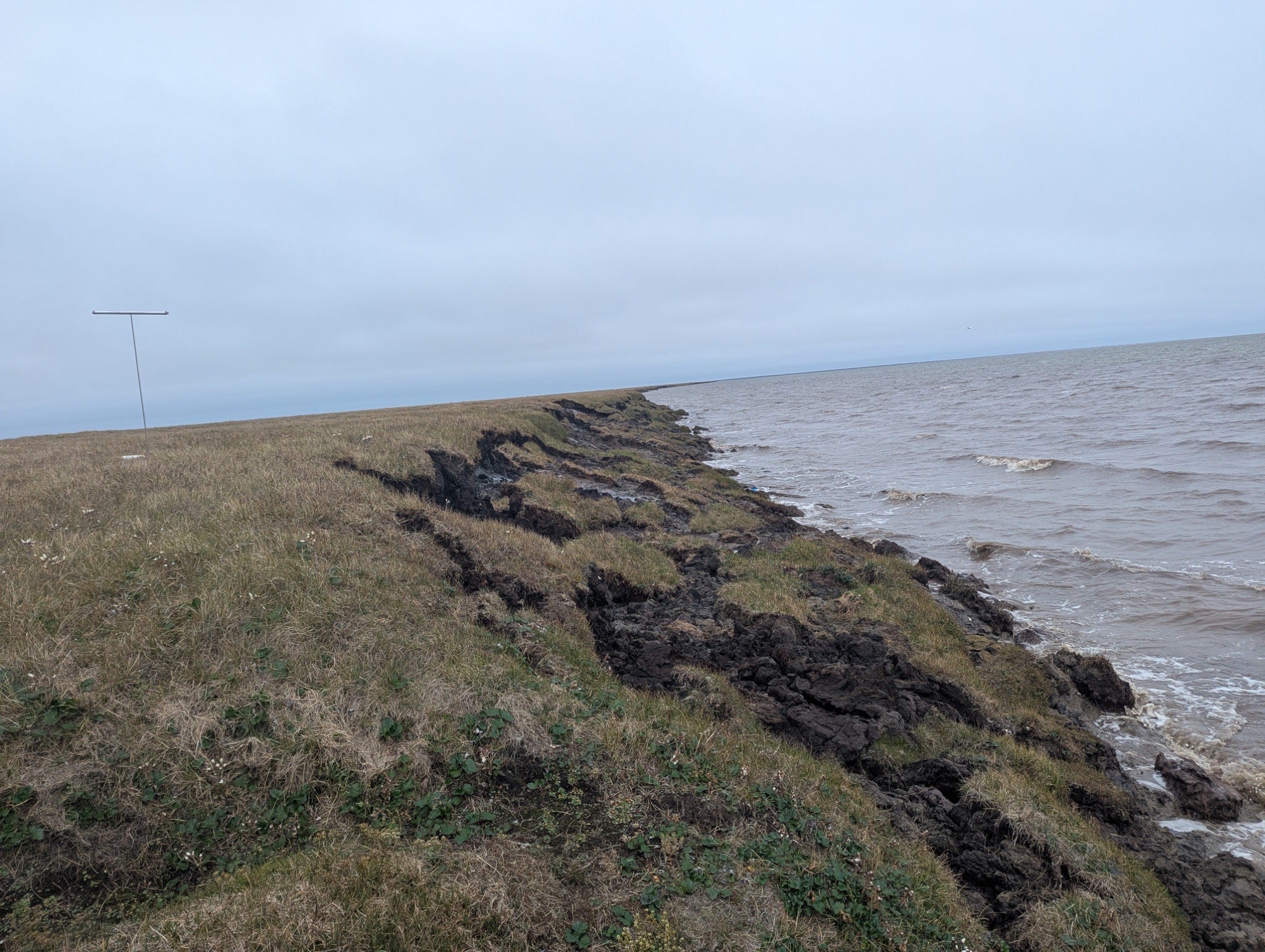
Thawing permafrost threatens infrastructure built on frozen ground, including roads, railways, airports, pipelines, buildings, and utility systems, causing economic and safety challenges for impacted communities.
It also releases enormous stores of carbon. Scientists estimate that the upper three meters (9.4 feet) of permafrost contain roughly 70% of the organic carbon stored in permafrost soils. As frozen ground thaws, that carbon is released as carbon dioxide and methane, reinforcing global warming.
The Power of Long-Term Field Observations
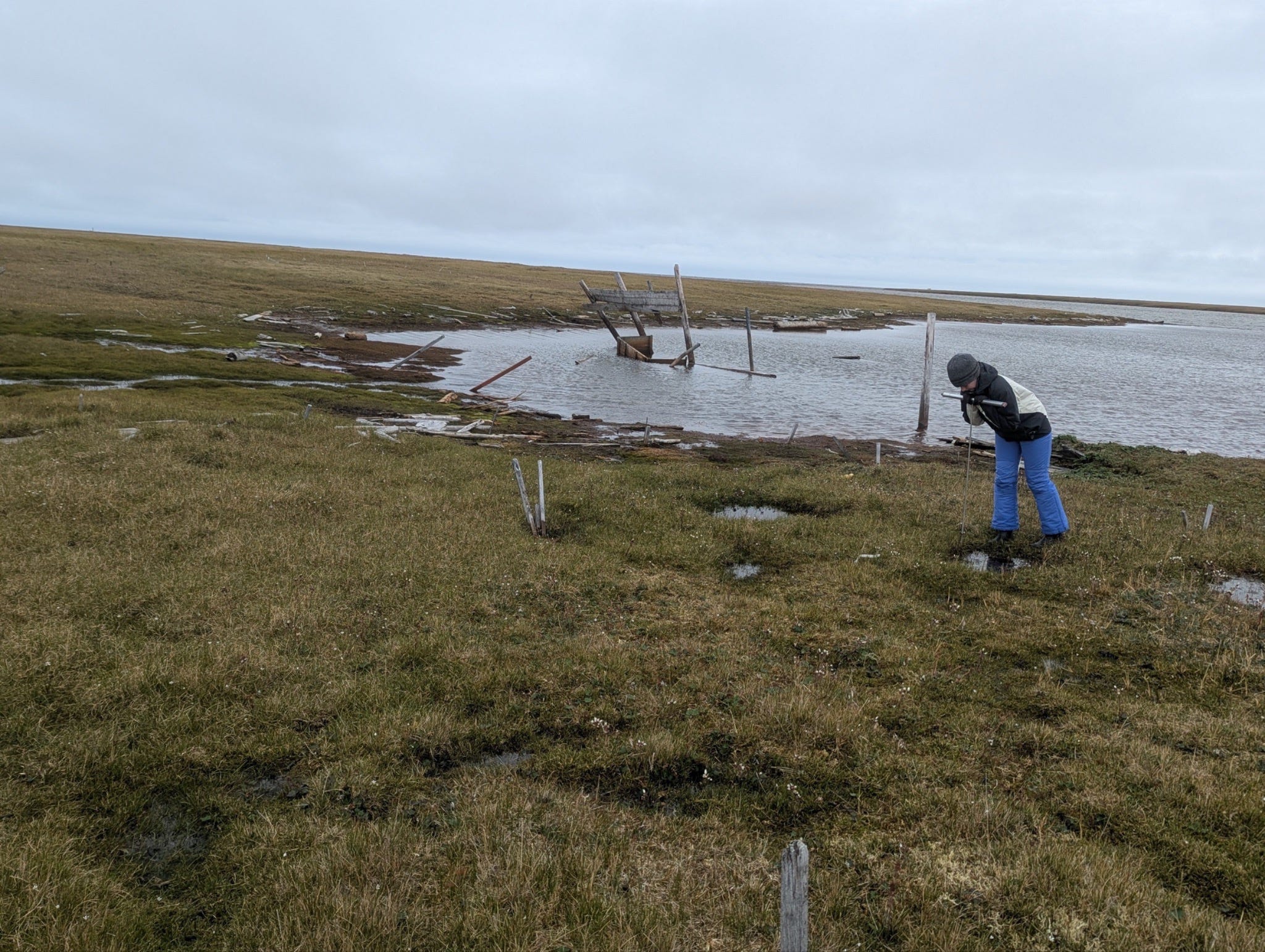
Unlike many previous studies that relied primarily on climate models, this assessment is built on direct observations collected in the field.
Researchers synthesized measurements from the Circumpolar Active Layer Monitoring (CALM) program, an international network established in the 1990s to track long-term permafrost change. The study combined records from 156 sites across North America, Europe, Asia, South America, and Antarctica, drawn from a larger network of 316 monitoring locations.
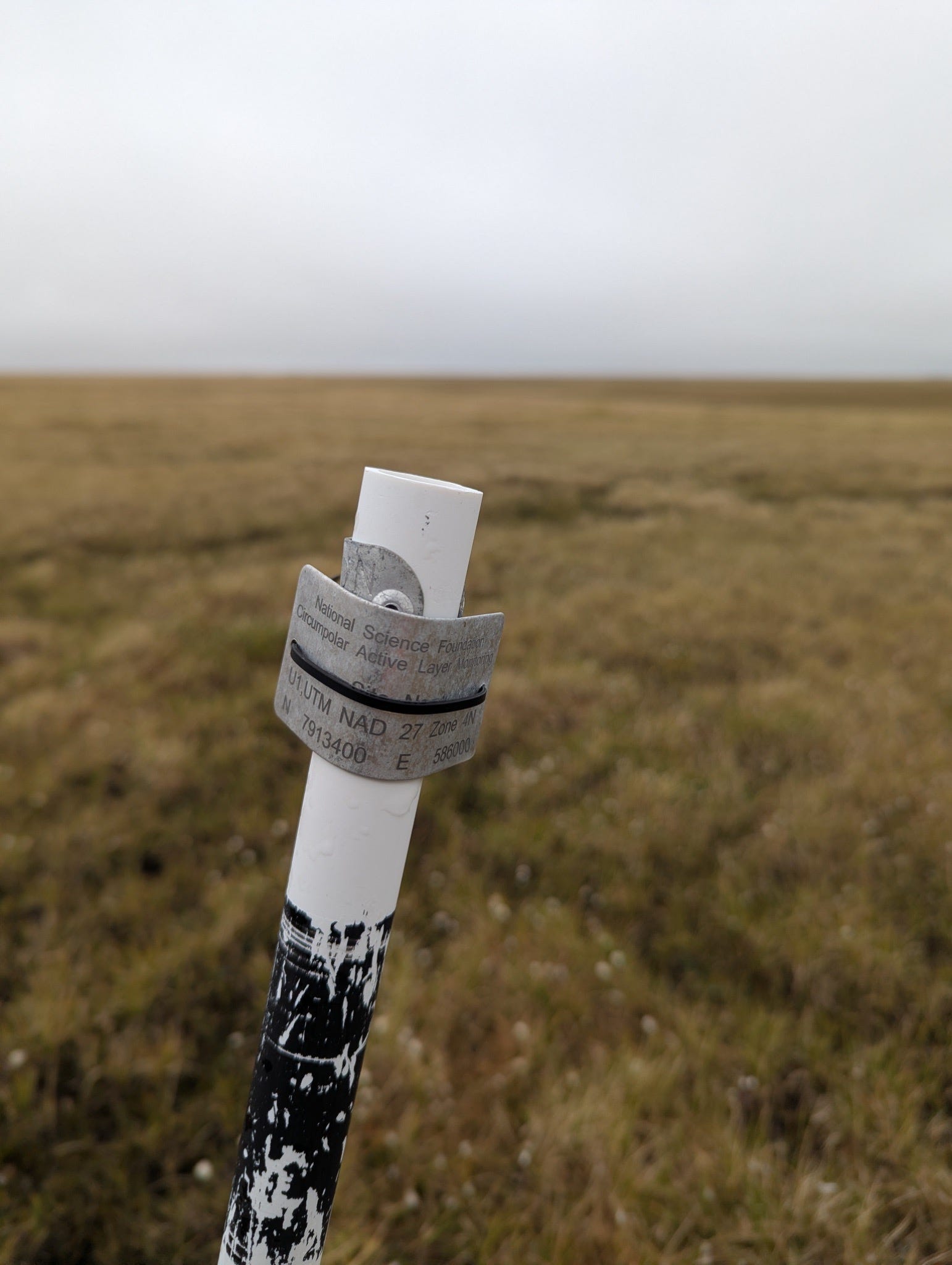

What makes this different from the modeling that dominates permafrost coverage is that these are holes in the ground, probed by hand or read off boreholes and thaw tubes, in some cases for a quarter of a century. Models have consistently disagreed with observations about how fast degradation is running. This is the observational side finally being assembled globally.
That long observational record provides something models alone cannot: direct evidence of how quickly permafrost is changing on the ground.
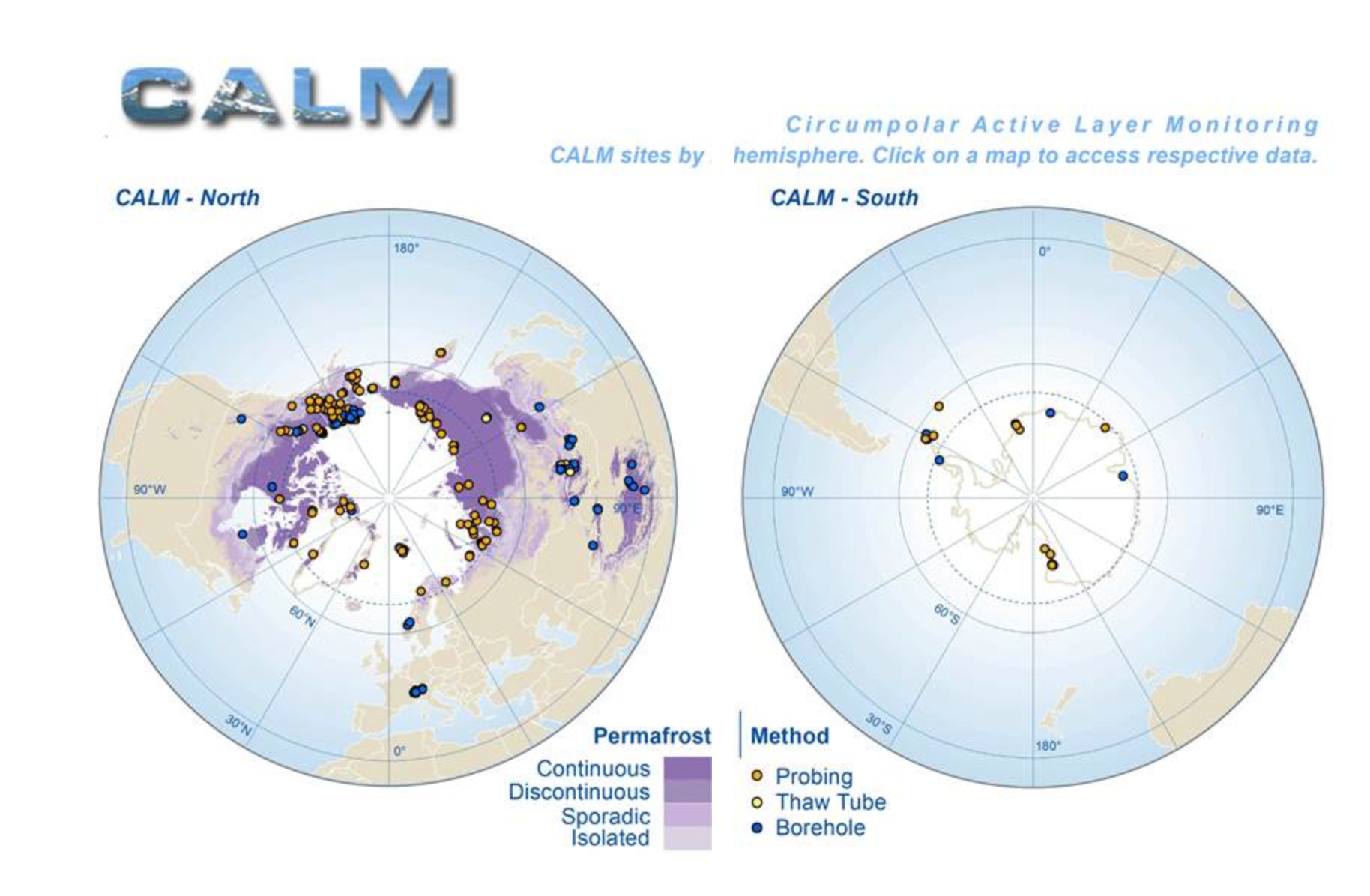
Key Findings:
Permafrost degradation is widespread. Active layer thickness increased significantly at 55% of Arctic sites and 38% of Antarctic sites, while increases were observed at more than 90% of monitored mountain sites in Europe and high-elevation regions of Asia, as well as at monitored sites in South America.
Mountain regions experienced the fastest changes. Several high-elevation sites saw the active layer double in thickness, making mountainous permafrost regions among the most rapidly changing environments.
Arctic warming and increasing rainfall are driving change. Statistical analyses found that rising temperatures were the primary driver of active layer thickening in the Arctic. Increasing precipitation, particularly rainfall, served as another important contributor.
More monitoring is needed worldwide. While the Arctic has the longest and most extensive monitoring record, researchers say expanding long-term observations in Antarctica and mountain regions will improve scientists’ ability to understand regional drivers of permafrost change.
Growing Risks for the Future
The findings build on previous work by Streletskiy and colleagues documenting the growing societal costs of thawing permafrost.
Earlier studies found that by 2050, as much as half of Arctic infrastructure—including transportation systems, buildings, energy infrastructure, and other critical assets—could face a high risk of damage from permafrost degradation, with repair costs reaching tens of billions of dollars.
As global temperatures continue to rise, the impacts of thawing permafrost are expected to become more widespread, affecting ecosystems, communities, infrastructure, and the climate system itself.
References
Streletskiy, D.A., Nyland, K.E., Shiklomanov, N.I. et al. Long-term monitoring of active layer thickness confirms global permafrost degradation. Commun Earth Environ 7, 671 (2026). https://doi.org/10.1038/s43247-026-03824-1
Aris, Ben. (2026). Permafrost is thawing on every continent that has it. Intellinews.Com. https://www.intellinews.com/permafrost-is-thawing-on-every-continent-that-has-it-464345/
George Washington University. (2026, August 28). Global study indicates widespread permafrost degradation. Preventionweb.Net. https://www.preventionweb.net/news/global-study-indicates-widespread-permafrost-degradation
Ionescu, A. (2026, August 28). Earth’s permafrost is thawing almost everywhere scientists look. Earth.Com. https://www.earth.com/environment/earths-permafrost-is-thawing-almost-everywhere-scientists-look/
Did you enjoy reading this? Support the American Geographical Society today with a donation of $50 to help us support Geography education.

Members of the American Geographical Society enjoy reduced-price access to AGS events and free access to the online version of Geographical Review.


You are invited to our 175th Anniversary globe signing event on September 15th at the Explorers Club in New York City, featuring renowned explorer, oceanographer, and astronaut Dr. Kathy Sullivan. Support the Society’s 175 Campaign with a gift of $175 or more and receive an invitation to this exclusive event, where you’ll have the opportunity to see one of the world’s most extraordinary historical artifacts gain its newest signature. Join us on September 15 as we celebrate the explorers who have shaped our understanding of the world—and help ensure that the spirit of exploration continues to inspire future generations.
Submit Lightning Talk and Exhibition Poster Proposals Today! Speak at our annual fall symposium, Geography 2050: Africa Shaping Tomorrow, taking place this November 19-20, 2026, at the Schomburg Center for Research in Black Culture in New York City! By 2100, over one-third of the world’s population will live in Africa, already the world’s youngest and fastest-growing continent, with profound implications for the interconnected human and environmental dimensions of the transformative demographic and technological boom across Africa. Submit proposals to speak at Geography2050 here!
Our Geography 2050 Trip Planning Page is Up! You can view information about this year’s venue and our partner hotels with Special Symposium Rates. Early birds can register for the lowest ticket price and book their stay at Aloft Harlem or the Renaissance New York Harlem Hotel at this special rate TODAY by going to the Geography 2050 Trip Planning page.